




British Asian Christian Association (BACA) has welcomed a major international human rights report launched at the House of Commons, highlighting how the charity has already helped free scores of Christian bonded labourers from Pakistan’s brick kilns and supported families rebuilding their lives after years of exploitation.
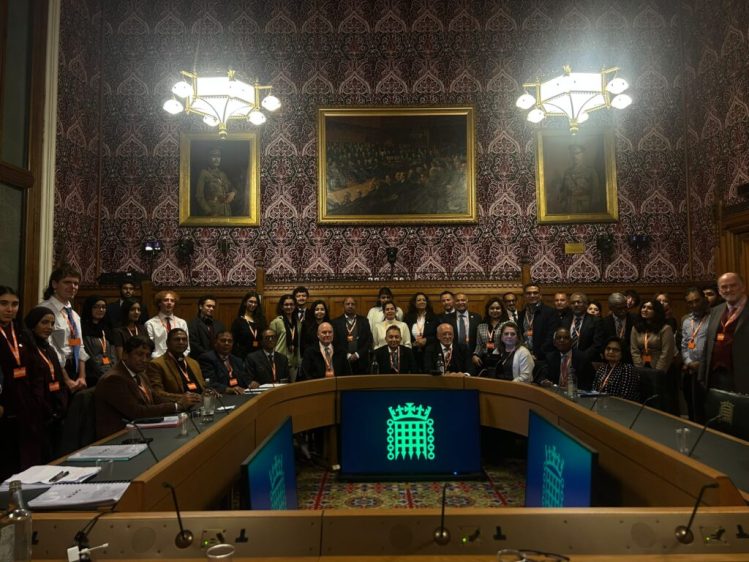
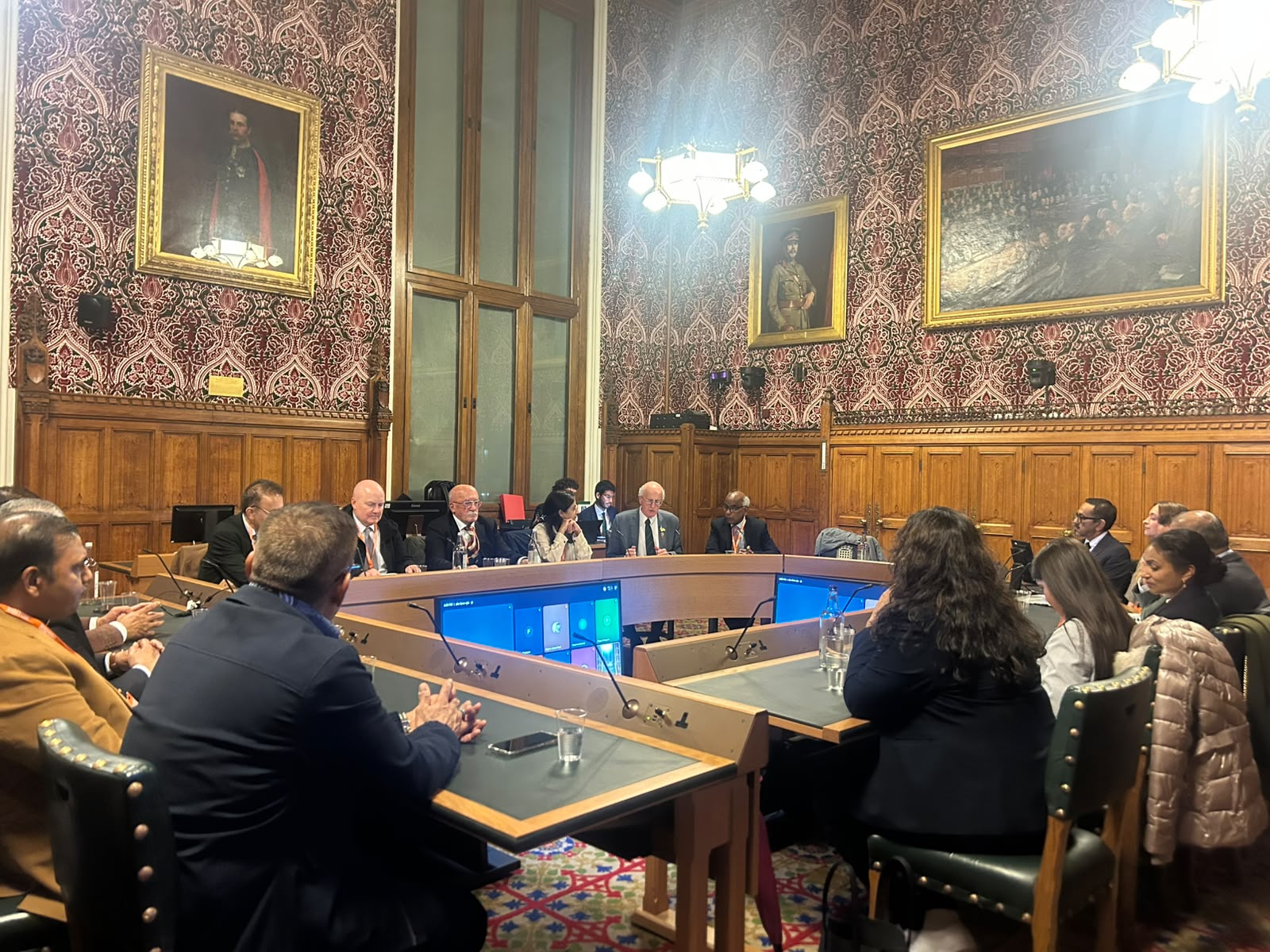
The report, International Labour Law and International Human Rights Law: Analysing the Convergence and Divergence, led by Professor Javaid Rehman, was formally launched on 20 October 2026 at an event hosted by the All-Party Parliamentary Group (APPG) for Pakistani Minorities.
The report examines labour rights violations in Pakistan, Iran and Qatar, demonstrating how forced labour, discrimination and inadequate legal protections undermine fundamental human rights.
Its findings are particularly relevant to BACA’s longstanding humanitarian work in Pakistan, where Christian families remain disproportionately represented among vulnerable brick kiln workers.
Citing research from Pakistan’s National Commission for Human Rights, the report highlights estimates that approximately 3.1 million people are trapped in modern slavery across Pakistan. It also draws attention to research suggesting that Christians, despite representing around 2% of Pakistan’s population, account for approximately 60% of the brick kiln workforce.
Opening the parliamentary event, Jim Shannon MP highlighted the plight of Christian and Hindu workers trapped in exploitative employment, as well as the hazardous conditions faced by religious minority sanitary workers.
Professor Rehman emphasised that workers’ rights and human rights cannot be separated, warning that weak enforcement of existing protections continues to leave vulnerable communities exposed to abuse.

BACA’s Work: Freeing Families from Generational Slavery
For BACA, the report’s findings reflect the realities encountered by its humanitarian teams in Pakistan.
The charity has helped emancipate scores of bonded labourers by negotiating with brick kiln owners, paying outstanding debts, securing legal agreements and assisting families to relocate and find alternative employment.
These interventions are vital because many families become trapped after accepting small loans to cover medical emergencies, weddings or essential household expenses.
Under Pakistan’s traditional peshgi system, debts can grow through deductions, interest and exploitative accounting practices, leaving workers unable to escape even after years of exhausting labour.
BACA’s published case studies demonstrate how these practices affect real families.
Case Study 1: Akram Masih and His Family Freed After a Decade of Bondage
In January 2024, BACA secured the freedom of Akram Masih, his wife Parveen Bibi and their daughter Nagina Bibi from a brick kiln in Auluck Bonga, Phoolnagar.
The family had endured approximately ten years of bonded labour after taking loans for a family wedding and medical treatment.
Akram reported receiving only half the wages paid to other workers because of his outstanding debt. Despite years of labour, the family remained unable to repay what they owed.
Their circumstances became even more desperate after Nagina, then aged 14, suffered abduction and sexual assault.
BACA intervened to provide assistance and negotiate the family’s release. Following difficult negotiations, the charity paid a reported debt of Rs. 786,000, approximately £2,354 at the time, and secured legal arrangements enabling the family to leave.
The family was subsequently relocated to safety, allowing them to continue seeking justice without remaining dependent on their former employer.
This case demonstrates how bonded labour can deepen the vulnerability of Christian women and girls, particularly when families fear losing their livelihood or accommodation if they pursue criminal complaints.
Read BACA’s original report: Freeing Akram Masih and seeking justice for Nagina Bibi
Case Study 2: Saleem Masih’s Family Escapes Brick Kiln Slavery
In another intervention, BACA secured the release of Saleem Masih and his family from Brick Kiln No. 55 in Raiwind in January 2024.
Saleem had worked in brickmaking since childhood and spent approximately a decade at the kiln, struggling to support his large family.
His wife Martha Bibi and several of their children also participated in the exhausting work.
The family reported receiving just Rs. 1,500 for producing 2,000 bricks, despite the extensive labour involved.
Debts incurred to meet family obligations had left them unable to escape.
Their situation was further compounded by the sexual violence suffered by Saleem’s daughter, Sunaiha, and the family’s struggle to secure justice.
BACA negotiated the family’s release and settled an outstanding debt of approximately Rs. 1 million, equivalent to around £2,857 at the time.
Importantly, the charity’s involvement continued after their emancipation.
A subsequent BACA report published in October 2024 confirmed that the family had received accommodation and financial assistance while rebuilding their lives.
Saleem found employment as a security guard at a local church, while his sons Badil and Sheroz secured employment in a garment factory.
BACA reported that it had supported the rescued families with groceries and household bills for six months while they worked towards financial stability.
Their experience illustrates why emancipation must involve more than paying a debt. Without safe accommodation, alternative employment and continuing assistance, vulnerable families risk falling back into exploitative arrangements.
Read BACA’s reports: Saleem Masih’s liberation and the families’ subsequent rehabilitation.
More Than a Decade of Care for the Children of Shama and Shahzad
The report also examines Pakistan’s controversial blasphemy laws and their devastating consequences for religious minorities.
Few cases illustrate the intersection of bonded labour, religious persecution and extrajudicial violence more tragically than the murders of Shama and Shahzad Masih.
On 4 November 2014, the young Christian couple, who worked at a brick kiln in Kot Radha Kishan, Punjab, were brutally beaten and burned alive by a mob following allegations of blasphemy.
Their murders shocked the international community and left three young children, Suleman, Sonia and Poonam, orphaned.
BACA has remained committed to supporting the children for more than a decade.
Working alongside their grandfather and legal guardian, Mukhtar Masih, the charity has provided support for education, clothing, household necessities, emotional wellbeing and daily care, including assistance towards a live-in nanny.
In November 2025, Juliet Chowdhry and Hannah Chowdhry visited the children during a humanitarian mission to Pakistan.
BACA has also continued to respond to their practical needs, including providing a replacement refrigerator in July 2026 after their existing appliance became unsafe.
These continuing interventions demonstrate BACA’s commitment to families long after the international attention surrounding their tragedies has faded.
Juliet Chowdhry, Trustee of British Asian Christian Association, said:
“The report highlights the devastating connection between poverty, bonded labour and religious persecution that our teams encounter regularly in Pakistan.
“We have helped free scores of Christian bonded labourers, but our responsibility does not end when their debts are paid. We help families find safer homes, secure employment and begin rebuilding their lives.
“The children of Shama and Shahzad are especially close to our hearts. More than a decade after their parents were brutally murdered, we continue to support their upbringing, education and everyday needs.
“Pakistan’s laws must do more than promise freedom. They must protect vulnerable families before tragedy occurs and ensure that no child is condemned to inherit a life of exploitation.”
Read BACA’s ongoing work: Juliet’s visit to the children in November 2025 and BACA’s July 2026 welfare assistance.
BACA Represented at Parliamentary Report Launch
Juliet Chowdhry was invited to the parliamentary launch in her capacity as a Trustee of British Asian Christian Association.
Her husband, Wilson Chowdhry, was separately invited in his capacity as Chairman of United by Faith.
Unfortunately, the couple were unable to attend after a road traffic accident, for which they were not at fault, resulted in their vehicle being written off.
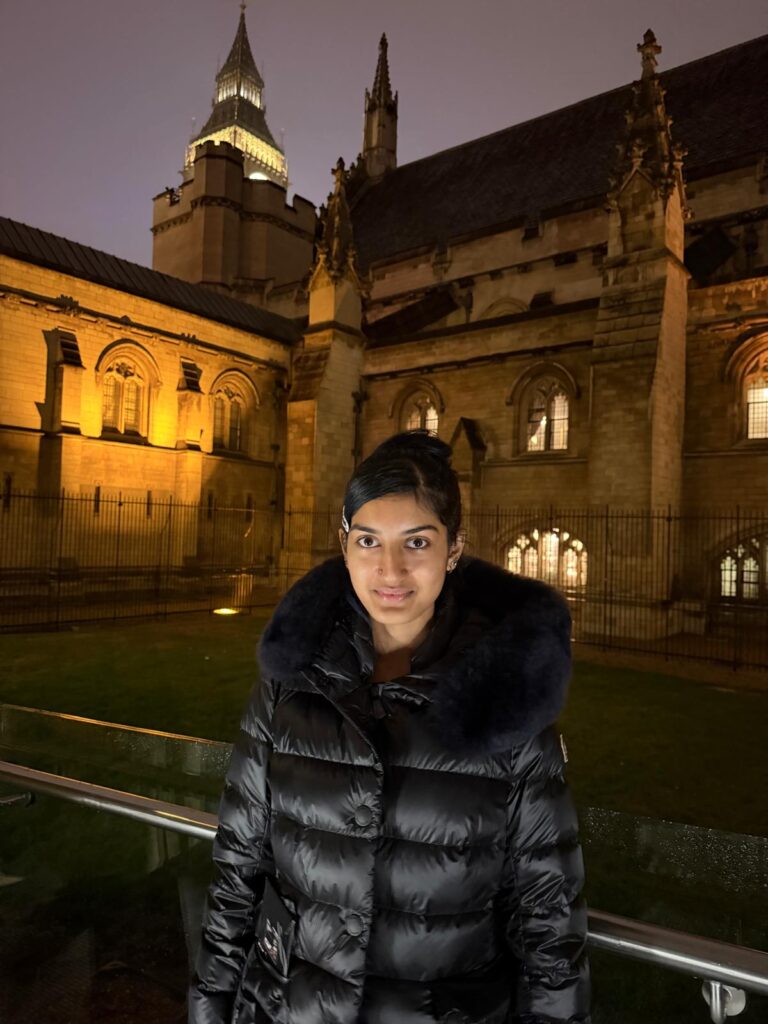
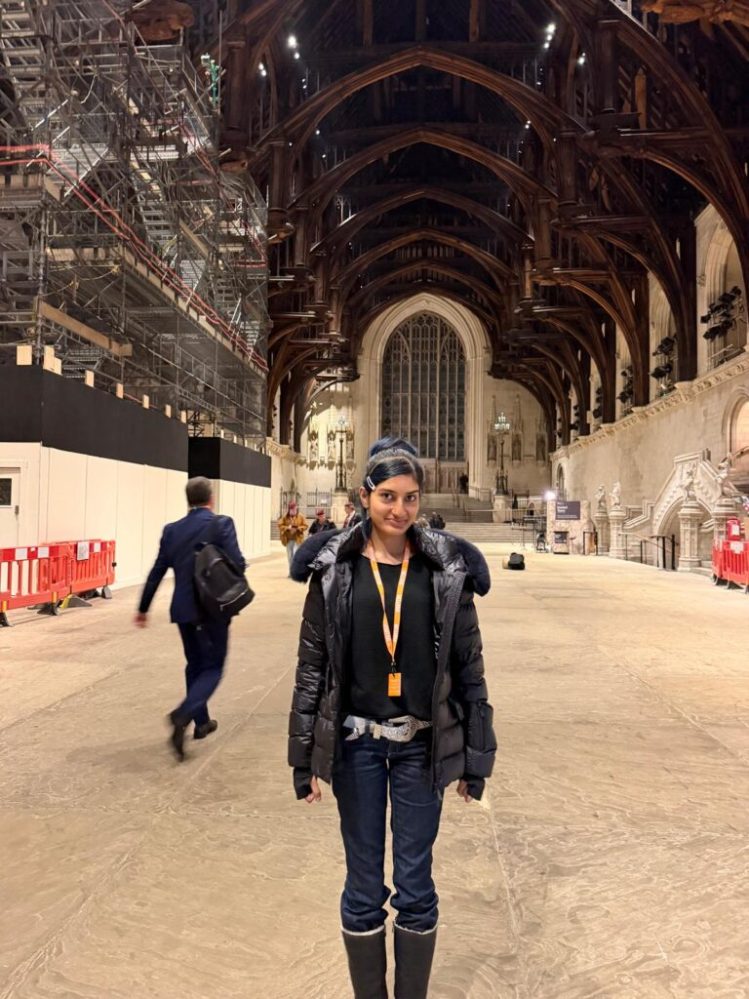
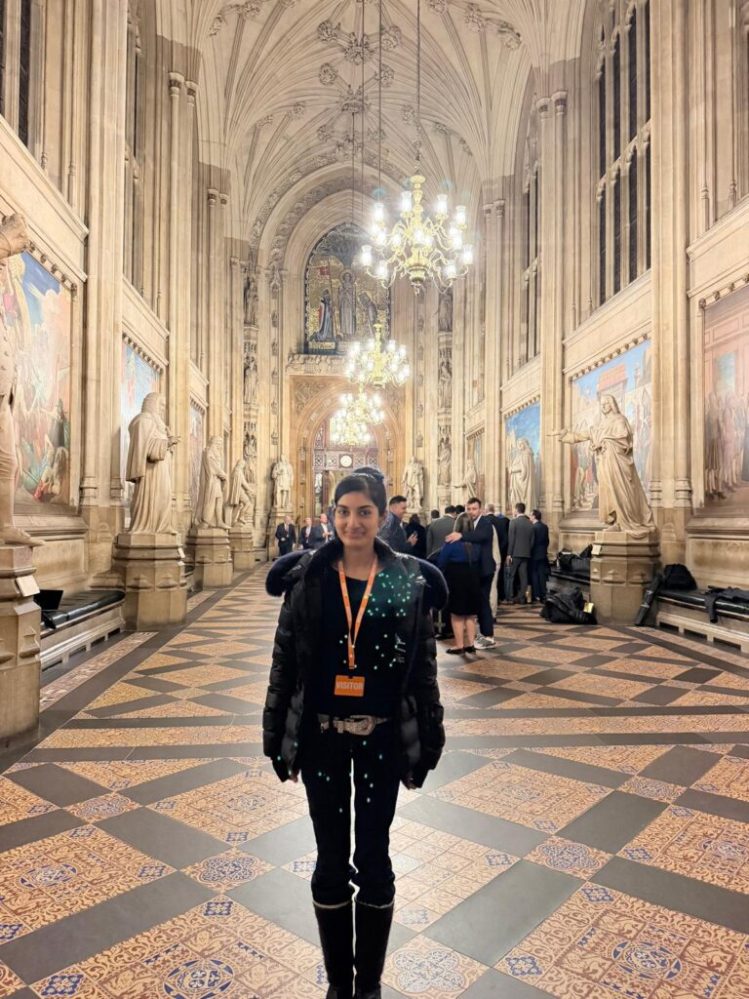
Their daughter, Naomi Chowdhry, a law student at Royal Holloway, University of London, attended the event alongside a friend. Both were in London and attended on their behalf, taking notes during the presentations and discussions.
The launch attracted parliamentarians, academics, trade union representatives and human rights advocates.
Among the speakers, British Pakistani lawyer Sulema Jahangir raised concerns about forced marriage and religious conversion affecting vulnerable Christian and Hindu girls.
Professor Mariz Tadros discussed the exploitation of migrant domestic workers, while representatives of the Swedish Trade Union Confederation highlighted the importance of stronger labour protections and social justice.
Naomi Chowdhry commented:
“The event demonstrated how failures to protect workers can lead to wider human rights abuses. As a law student, I found the gap between legal protections and their enforcement particularly concerning. BACA’s work shows how practical intervention can change lives.”
Pakistan Must Enforce Its Existing Laws
One of the report’s most important conclusions is that Pakistan already possesses legislation prohibiting bonded labour, including the Bonded Labour System (Abolition) Act 1992.
However, inadequate labour inspections, weak monitoring systems and limited accountability continue to undermine these protections.
The report also identifies serious concerns surrounding child labour, unregistered brick kilns, inadequate documentation for workers and the limited effectiveness of trade unions in protecting vulnerable labourers.
BACA’s experience suggests that effective reform must combine enforcement with practical rehabilitation.
Families escaping bonded labour need secure housing, access to education, vocational training and employment opportunities that prevent them from becoming dependent on exploitative loans again.
The charity also believes that protecting religious minorities must form part of any serious strategy to eliminate forced labour, particularly where discrimination, sexual violence and threats involving blasphemy allegations make vulnerable families reluctant to seek justice.
Wilson Chowdhry, Chairman of United by Faith, said:
“Professor Rehman’s report exposes a fundamental contradiction in Pakistan. Bonded labour has been prohibited for decades, yet Christian families continue to live under conditions that resemble slavery.
“The work undertaken by BACA demonstrates that families can be freed and supported into alternative employment, but charities should not have to purchase the freedom of people who are already legally entitled to it.
“International governments, including the United Kingdom, must press Pakistan to enforce its existing legislation, investigate exploitation and provide sustainable alternatives for families trapped in generational poverty.
“The true measure of progress will not be the number of reports published or laws introduced, but the number of families who can finally live and work in freedom.”
From Parliamentary Discussion to Meaningful Change
BACA welcomes the report’s recognition that labour rights and human rights are inseparable.
Its findings provide further evidence that Pakistan’s bonded labour crisis cannot be addressed through legislation alone.
The experiences of Akram Masih, Saleem Masih and their families demonstrate that freedom is achievable when practical assistance is combined with legal intervention, safe accommodation and opportunities for independent employment.
The continuing care provided to the children of Shama and Shahzad also serves as a reminder that the consequences of exploitation and religious persecution can last for generations.
For Pakistan’s most vulnerable Christian families, freedom must mean more than escaping a brick kiln. It must mean the opportunity to live safely, earn a fair wage, educate their children and practise their faith without fear.
British Asian Christian Association remains committed to helping families achieve that freedom and ensuring that those who have suffered persecution are not forgotten.
Support BACA’s work: https://www.britishasianchristians.org/donate