Notice: Articles before August 2021 may be missing images and links will not work, we're sorry for this inconvenience which is a result of a change of webhost after Adobe Business Catalyst terminated their company.
Progress on the British Asian Christian Association (BACA) safe house project is moving forward steadily, with construction now approaching its final stages. We are hopeful that the building work will be completed by the end of May, marking a significant milestone in a long-anticipated initiative designed to protect some of the most vulnerable victims of persecution. Read Evangelicals Now article click (here).
British Asian Christian Association has long worked on the frontline supporting Christian families facing violence, intimidation, and religious persecution in Pakistan. Over many years, this experience has made one truth increasingly clear: emergency protection must be immediate, secure, and confidential.
Building a place of protection
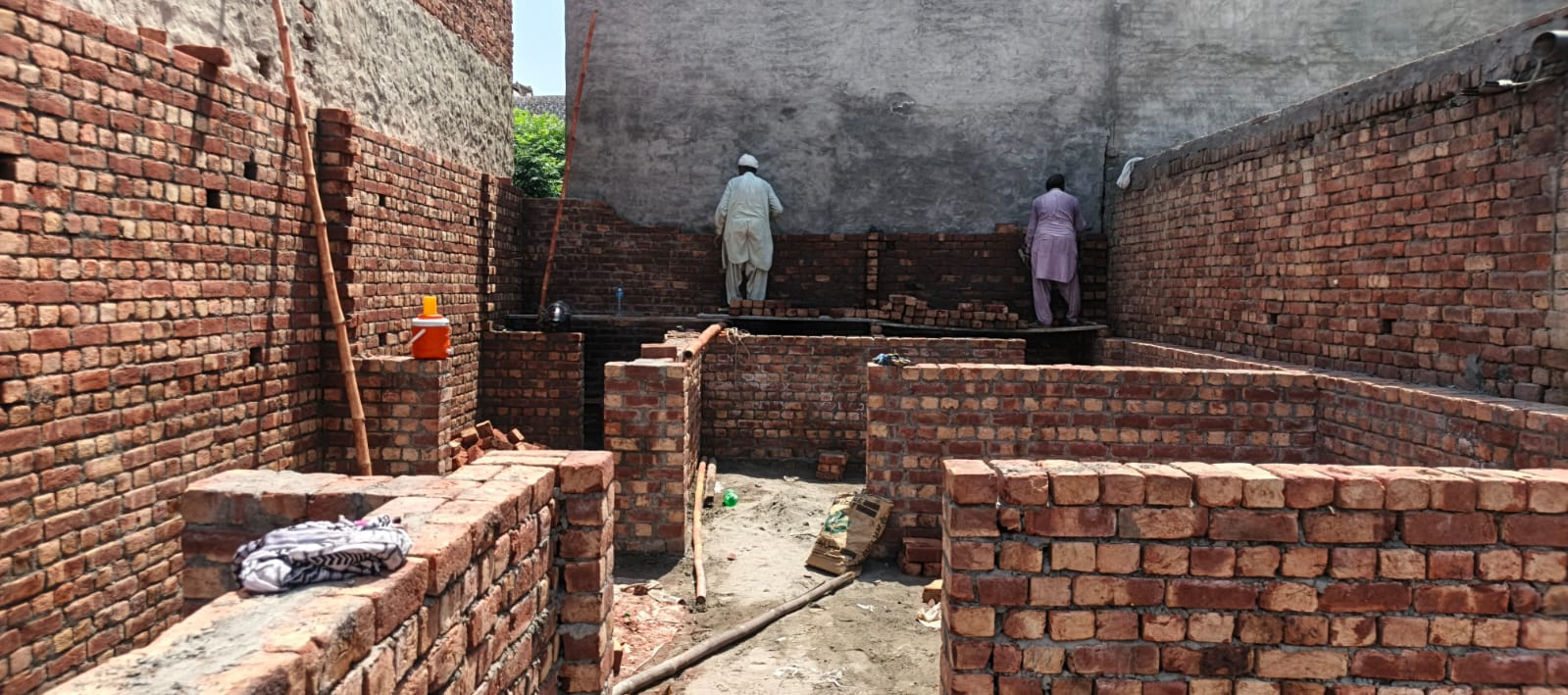
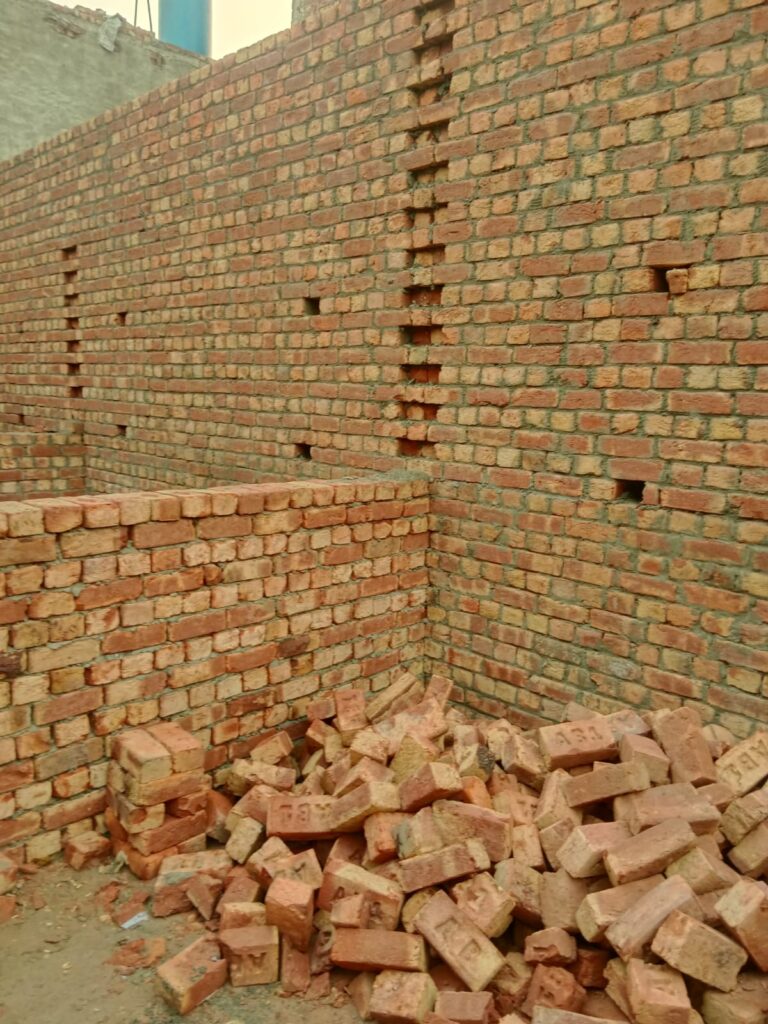
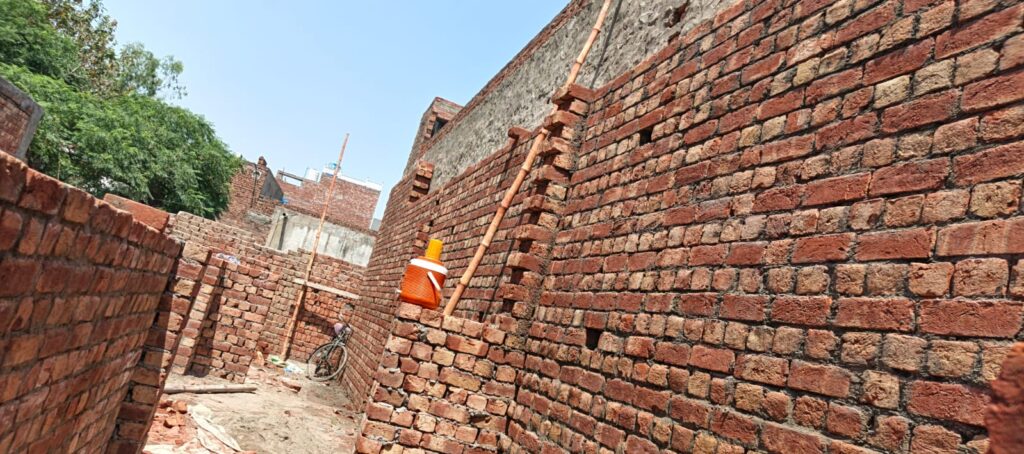
The safe house is being constructed with security as its foundation. Walls are being built thick and strong using double brick, reflecting its purpose as a place of refuge rather than a standard residential building. Its exact location will remain strictly confidential and will only be shared on a need-to-know basis to protect those who may rely on it in moments of crisis.
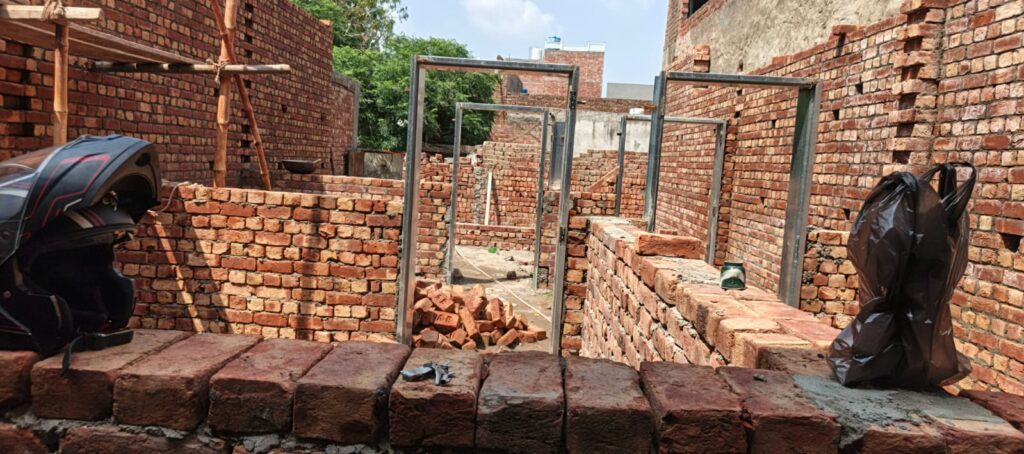
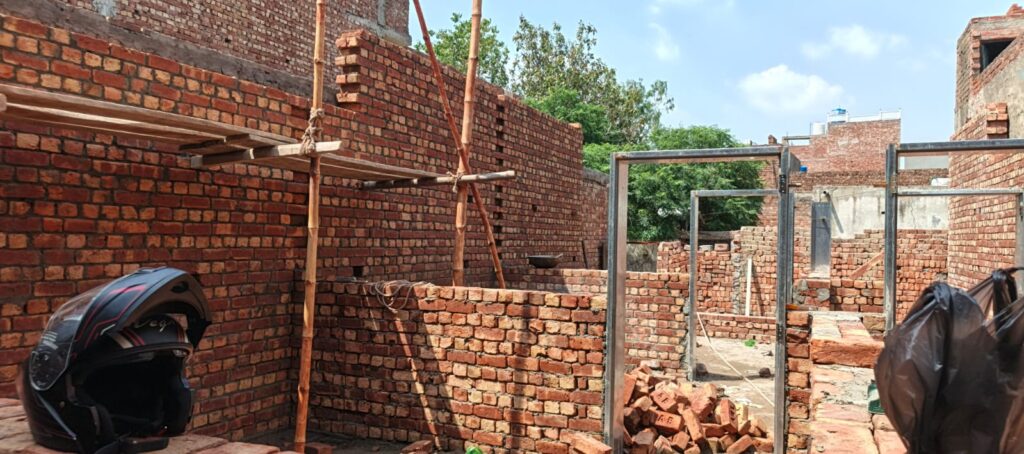
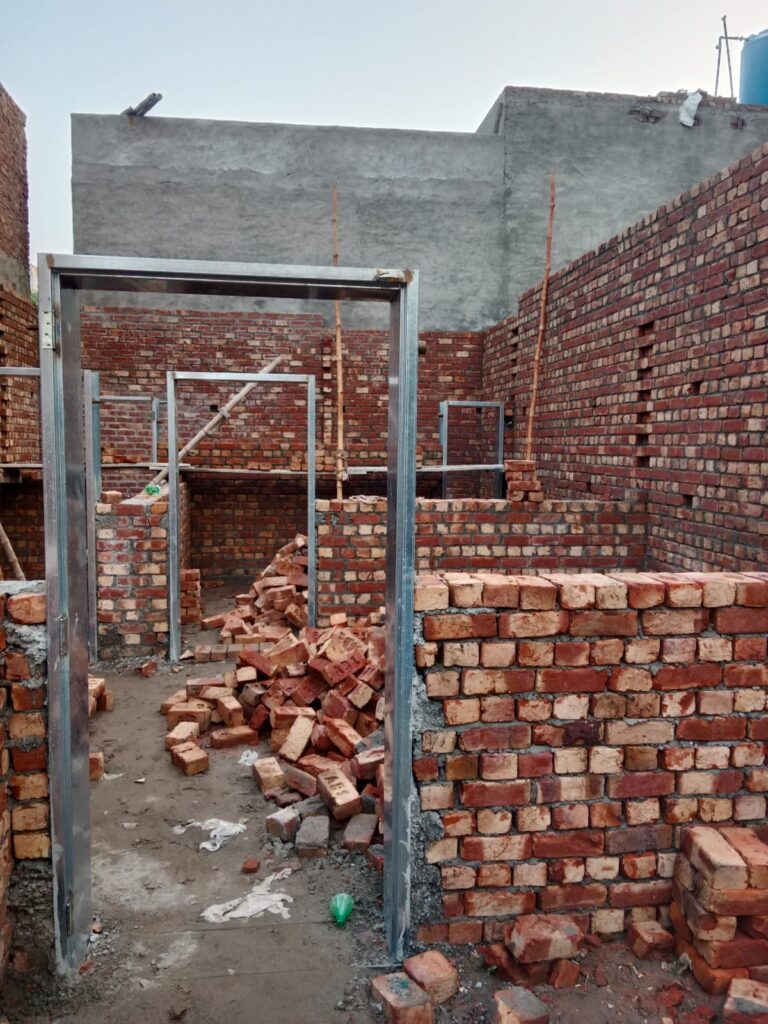
While we are unable to share images of the final outward construction for security reasons, we can provide updates on the internal progress. Recent stages of work include the installation of door frames and the completion of high walls on the first floor. These structural developments bring the project closer to completion and reflect months of careful planning and effort.
Despite a few hurdles along the way, the project is now entering its final phase. The sense of momentum is strong, and we are increasingly hopeful that the safe house will soon be ready to serve its purpose.
Why this safe house is needed
The vision for a permanent safe house has developed over many years of direct engagement with persecuted Christian communities. It is not based on a single incident, but on repeated experiences where families in danger had nowhere secure to turn.
In one early and defining case in 2015, a Christian family supporting survivors of sexual violence was forced to flee their home after armed intimidation and threats (click here). At the time, a local pastor bravely sheltered them, but this highlighted a critical gap: protection was dependent on informal arrangements, not secure infrastructure.
In another case in 2016, a young Christian woman rescued from abduction had to be returned to danger due to lack of a secure facility, before later being successfully rescued again through coordinated intervention (click here). These and other cases demonstrated the urgent need for a confidential, protected environment where victims could remain safe during their most vulnerable period.
Families pursuing justice for crimes such as forced conversion, rape, or blasphemy accusations often face sustained threats and coercion. Without secure accommodation, many are pressured into abandoning legal cases simply to protect their lives.
The safe house is therefore designed as a transitional sanctuary—not a long-term institution. It will provide immediate protection while arrangements are made for longer-term accommodation, employment support, and rehabilitation.
Security and capacity
The facility will be equipped with strong physical and operational safeguards, including controlled entry points, surveillance systems, and 24-hour security presence. Staff and all involved personnel will operate under strict confidentiality agreements to ensure the location remains protected.
Initially, the safe house will accommodate up to two small families at any one time. Future expansion plans include additional floors, which will increase capacity and create space for vocational training and support services. The ground floor will also include office space for case management and coordination.
Looking ahead
As construction nears completion, this project stands as a vital step forward in providing tangible protection for those at risk of violence and persecution. While challenges have arisen along the way, the progress achieved so far is encouraging, and the vision is steadily becoming a reality.
We ask supporters to keep this project in their thoughts and prayers as we move toward completion. The need for a safe, confidential refuge has never been greater, and this facility represents hope, protection, and a pathway to safety for those fleeing violence and persecution.
Alongside completing the construction, we are now seeking support to equip and secure the safe house so it can operate effectively from day one. This includes funding for a permanent 24-hour security presence at the property, installation of a CCTV system, and essential furniture for all rooms.
We are aiming to raise a total of £11,560, which will cover:
£800 for initial CCTV installation
£8,760 for 24-hour manned security coverage
Remaining costs for furniture and essential fittings across the facility
Importantly, this initiative will also create meaningful employment opportunities, providing training and long-term work for four Christian security officers, helping to strengthen both protection and livelihoods within a vulnerable community.
As we look ahead to the expected completion of the building by the end of May, we are prayerfully seeking supporters who can help us bring this final stage to fruition. If you would like to donate please (click here).
Juliet Chowdhry, TRustee for British Asian Christian Association, said:
“Every brick laid in this safe house carries the weight of stories we can never forget—families who have fled violence, children who have witnessed horrors no child should ever have to endure, and individuals whose only ‘crime’ has been their faith or their courage to seek justice. For them, this is not simply a building; it is a line drawn between fear and safety, between persecution and protection, between despair and the possibility of rebuilding a life.
We have stood with families who were forced to flee their homes under gunfire, with young women returned to captivity because there was nowhere secure enough to hide them, and with parents threatened into silence after seeking justice for unspeakable crimes. These are not distant stories—they are the lived reality of the communities we serve.
This safe house represents our refusal to accept that vulnerability must mean abandonment. It is a place where life can be stabilised, dignity can be restored, and hope can begin again in safety. We have a moral duty not to look away when lives depend on what we choose to build, protect, and sustain. This is more than charity—it is protection in its most urgent and human form.”