




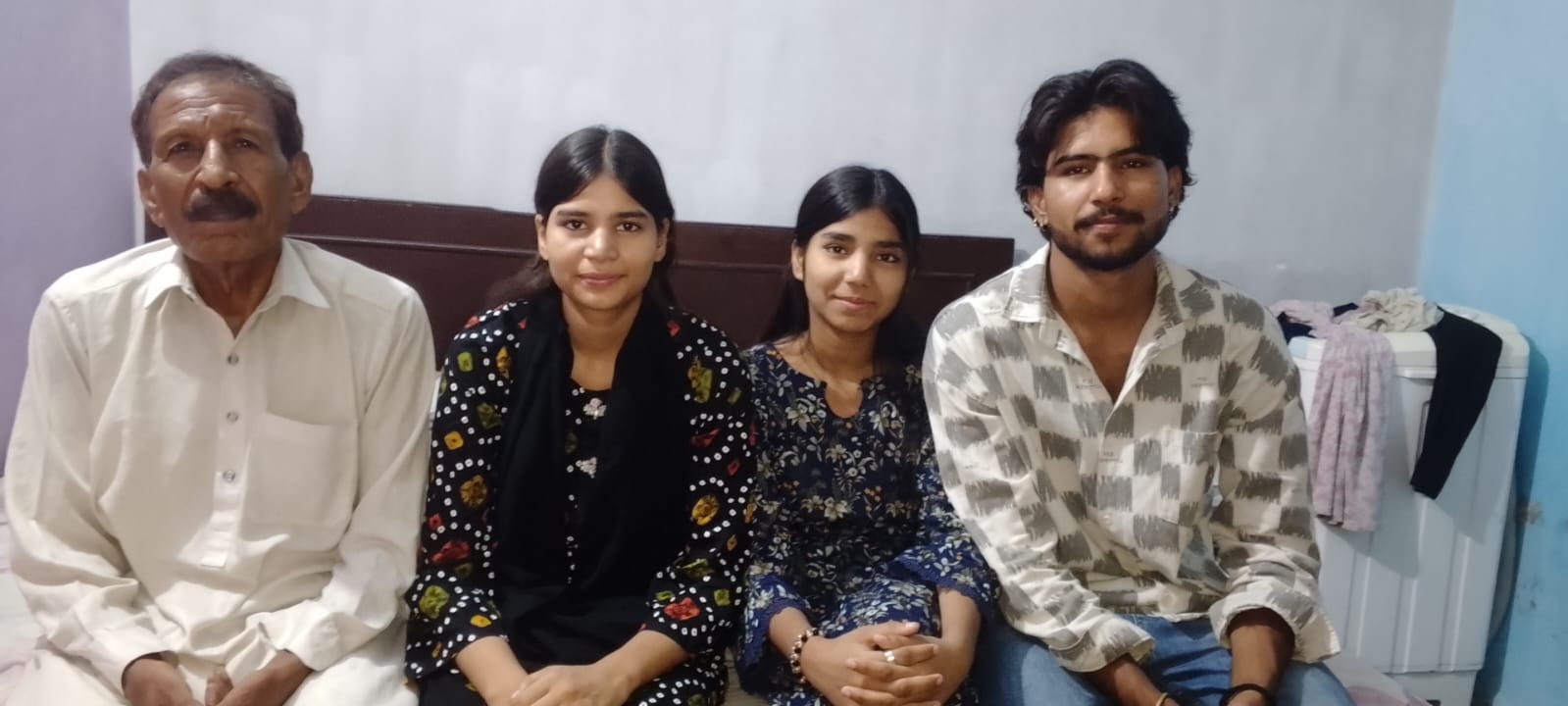
Twelve years after one of Pakistan’s most horrific acts of religious mob violence, the Supreme Court has acquitted the final three men convicted for the lynching of Christian couple Shama and Shahzad Masih. The ruling has left their family devastated and deepened fears among religious minorities that justice remains out of reach. BACA continues to stand with the couple’s orphaned children, ensuring they are not forgotten. This verdict serves as a stark reminder that the fight for justice and protection of vulnerable communities is far from over.
Supreme Court Brings the Case to a Close
On 10 July 2026, Pakistan’s Supreme Court acquitted the final three men previously sentenced to death for the brutal murder of Shahzad Masih and his pregnant wife Shama Bibi, bringing to an end one of the country’s most shocking blasphemy-related murder cases.
The bench, headed by Justice Malik Shahzad Ahmad Khan, ruled that weaknesses in the prosecution’s case and inconsistencies in the evidence entitled the accused to the benefit of the doubt. The Court also dismissed the Punjab Government’s appeal against the earlier acquittal of 102 other defendants.
For the family of Shama and Shahzad, and for Pakistan’s Christian community, the judgment represents not closure, but profound heartbreak.
A Crime That Shocked the World
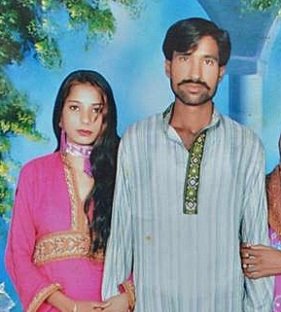
On 4 November 2014, Shama Bibi (24), who was pregnant, and her husband Shahzad Masih (26), bonded labourers at a brick kiln in Kot Radha Kishan, Punjab, were falsely accused of desecrating pages of the Quran while disposing of belongings following the death of a relative.
Local mosque announcements reportedly incited hundreds of people to gather. Before any investigation or legal process could take place, the couple were dragged from their workplace, brutally beaten, stripped, and thrown alive into a blazing brick kiln.
Their only “crime” was an unsubstantiated allegation.
They left behind three young children—Suleman, Sonia, and Poonam—who were suddenly orphaned by an act of unimaginable cruelty.
Twelve Years Without Justice
The legal journey has been long and painful.
In 2016, an Anti-Terrorism Court sentenced five men to death and handed prison terms to several others, while acquitting many due to insufficient evidence.
In 2019, the Lahore High Court acquitted two of those on death row while upholding the convictions of three remaining defendants. It had previously acquitted 102 others accused in the attack.
Now, in July 2026, Pakistan’s Supreme Court has acquitted those final three men, ruling that the evidence failed to establish guilt beyond reasonable doubt.
For many, this marks the complete collapse of accountability for one of Pakistan’s most notorious cases of mob violence.
Fear for Pakistan’s Religious Minorities
The verdict has reignited widespread concern among Christians and human rights defenders.
Blasphemy allegations in Pakistan have repeatedly been used to target vulnerable minorities, often fuelled by personal disputes, land conflicts, or false accusations. Once rumours spread, mobs frequently take the law into their own hands before any investigation can occur.
The acquittals raise deeply troubling questions:
- Will perpetrators of mob violence ever be held accountable?
- Does this judgment encourage future attacks carried out in the name of blasphemy?
- What protection remains for Pakistan’s religious minorities living under constant fear of false accusations?
For many Christians, this decision reinforces the painful belief that justice remains inaccessible when victims belong to vulnerable communities.
BACA’s Continuing Support
In the immediate aftermath of the murders, BACA responded by standing alongside the devastated family.
For more than a decade, BACA has provided ongoing support to Suleman, Sonia, and Poonam, helping to fund their education, daily living expenses, and essential household needs.
Working closely with their grandfather and legal guardian, Mukhtar Masih, BACA has remained committed to ensuring the children could rebuild their lives with dignity, stability, and hope despite their unimaginable loss.
Following the Supreme Court’s decision, Mukhtar Masih shared his deep sorrow with BACA:
“I feel sad for the acquittal of the main culprits of Shama and Shahzad. My health has declined after hearing the decision.”
His words reflect the anguish of a family that has waited twelve years for justice—only to see every conviction overturned.
A Call for Justice
Commenting on the judgement, Juliet Chowdhry, Trustee of BACA, said:
“Justice delayed is painful, but justice denied is devastating. When those responsible for such unimaginable cruelty walk free, it sends a chilling message to every religious minority in Pakistan that their lives can be taken without consequence. We will not stop standing beside the victims, their families, and all those who continue to suffer because of intolerance and the abuse of blasphemy allegations.”
